- Horizon AI
- Posts
- What Nvidia’s CEO Really Thinks About Trump, China, and AI 👀
What Nvidia’s CEO Really Thinks About Trump, China, and AI 👀
The Weirdest AI Gadgets to Come Out of CES 2026 👾

Gina Acosta
January 11, 2026
In partnership with


Welcome to another edition of Horizon AI,
Nvidia now sits at the center of the global AI economy, and that gives its CEO, Jensen Huang, a front-row seat to the biggest power shift in decades. In today’s issue, we take a look at a recent Time Magazine interview in which he shared his views on the AI bubble, the impact on jobs, the role of the U.S., China, and more.
Let’s jump right in!
Read Time: 4.5’ min
Here's what's new today in the Horizon AI
Chart of the week: Do People Trust AI as an Information Source?
6 Weirdest AI Gadgets at CES 2026
AI Findings/Resources
AI tools to check out
Video of the week
TOGETHER WITH GLADLY
Your competitors are already automating. Here's the data.

Retail and ecommerce teams using AI for customer service are resolving 40-60% more tickets without more staff, cutting cost-per-ticket by 30%+, and handling seasonal spikes 3x faster.
But here's what separates winners from everyone else: they started with the data, not the hype.
Gladly handles the predictable volume, FAQs, routing, returns, order status, while your team focuses on customers who need a human touch. The result? Better experiences. Lower costs. Real competitive advantage. Ready to see what's possible for your business?
Chart of the week
Do People Trust AI as an Information Source?

Data comes from The 2026 AI and Search Behavior Study by Eight Oh Two, which examined how people use AI tools to find information online.
AI tools receive 21% complete trust, similar to search engines and brand websites at 19%, higher than social media and news outlets, while friends and family rank highest at 27%.
While many users feel confident in AI’s objectivity and expect to rely on it more in the future, most still double-check responses and want improved fact-checking and clearer source citations.
AI News
CES 2026
6 Weirdest AI Gadgets at CES 2026

CES 2026 once again proved that the future of tech is not just smart, it’s also strange. From talking picture frames to robot pandas and AI-powered ice makers, these six AI gadgets stood out for being especially unusual, surprising, or just plain weird.
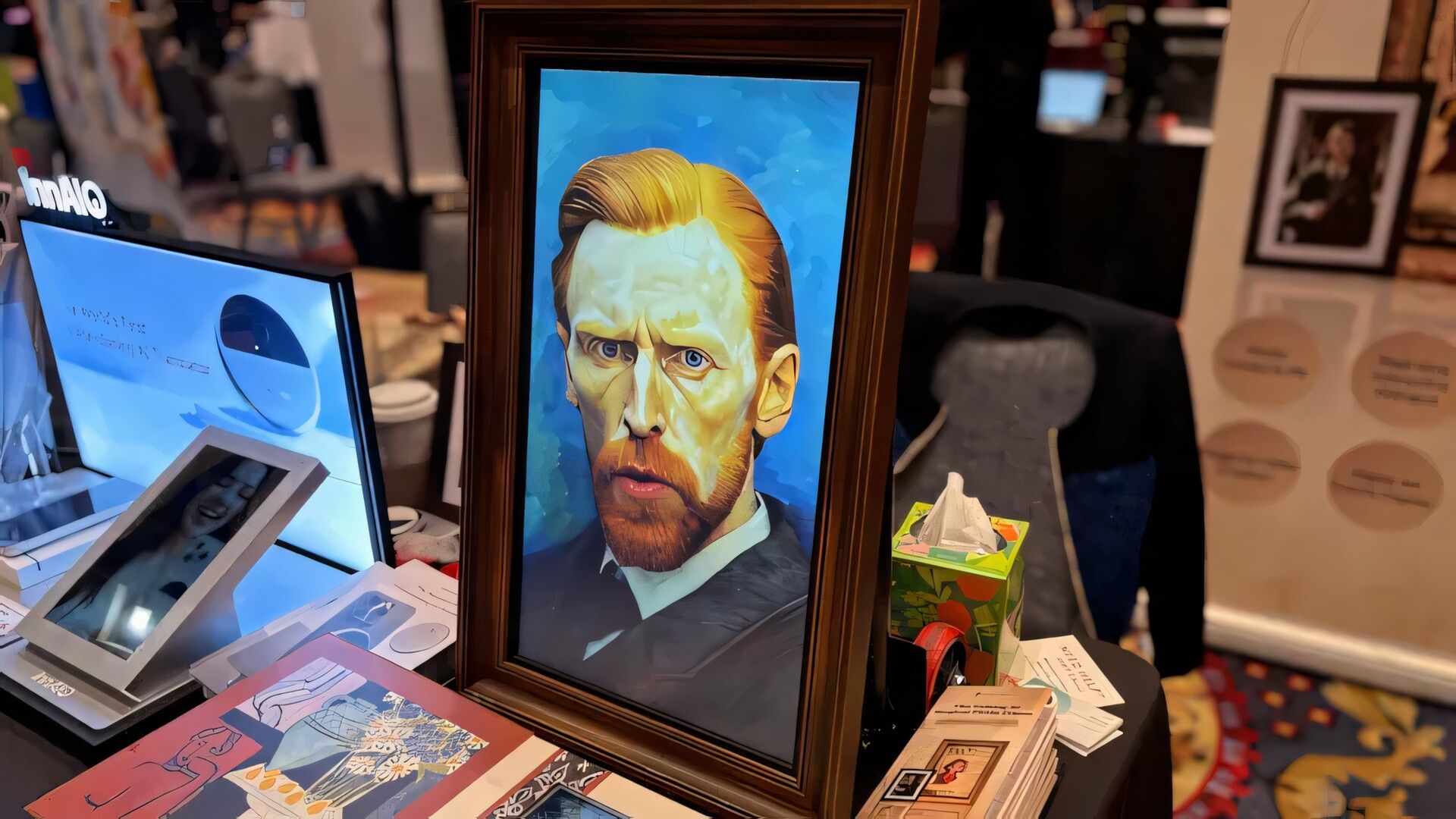
Inspired by the moving paintings in Harry Potter, Vinabot turns a simple photo into a talking, animated character. You upload an image and a short script, and it creates an AI video that can actually hold a conversation with you. It’s expected to launch on Kickstarter.
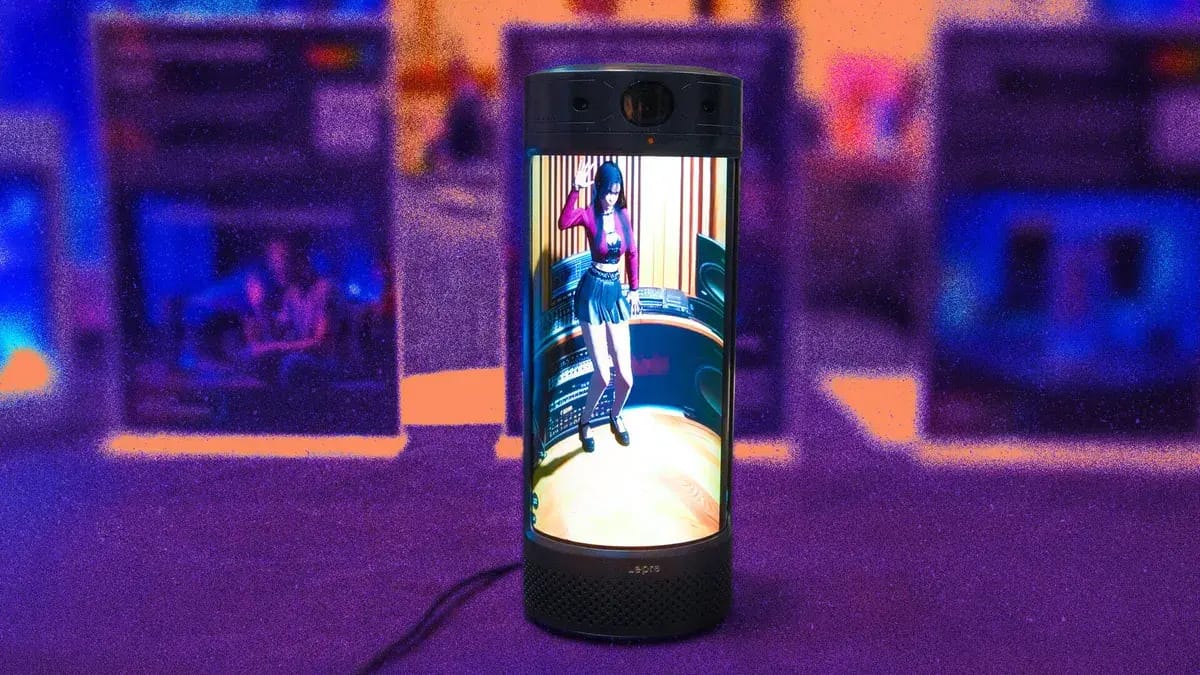
Lepro Ami is an 8-inch curved OLED display that shows a holographic woman designed to be your “always-on AI soulmate.” It’s meant to feel like a 3D companion you can talk to and interact with.
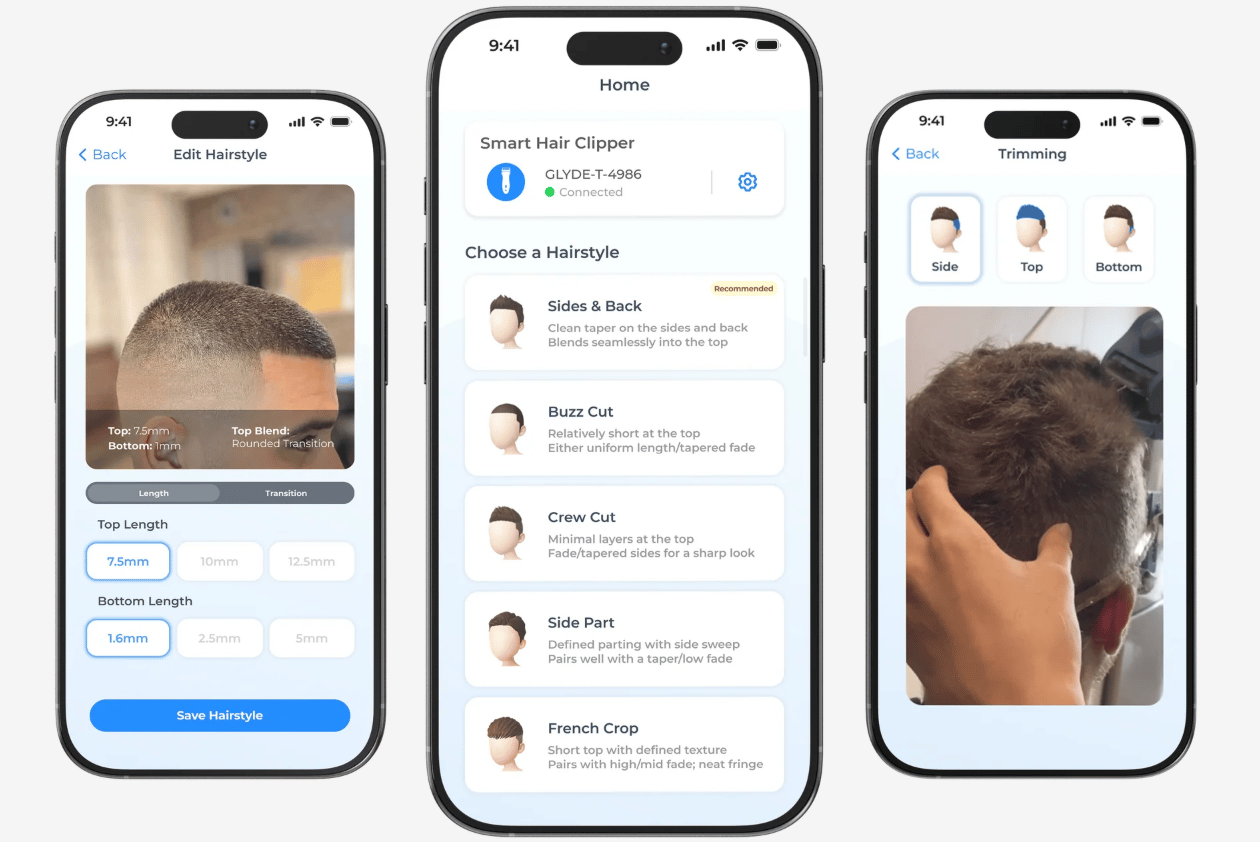
Glyde wants to bring AI into your haircut. You pick a hairstyle in its app, and the clipper’s blades adjust in real time based on your speed, angle, and tilt. The goal is to prevent uneven fades, mistakes, or overcuts, basically letting AI act like a digital barber in your hand.

An’An is a cuddly AI-powered panda robot designed to support older adults. It reacts to touch, remembers voices and habits, and becomes more personalized over time. Beyond being cute, it offers emotional support, reminders for daily tasks, and updates for caregivers, helping reduce loneliness and improve well-being.
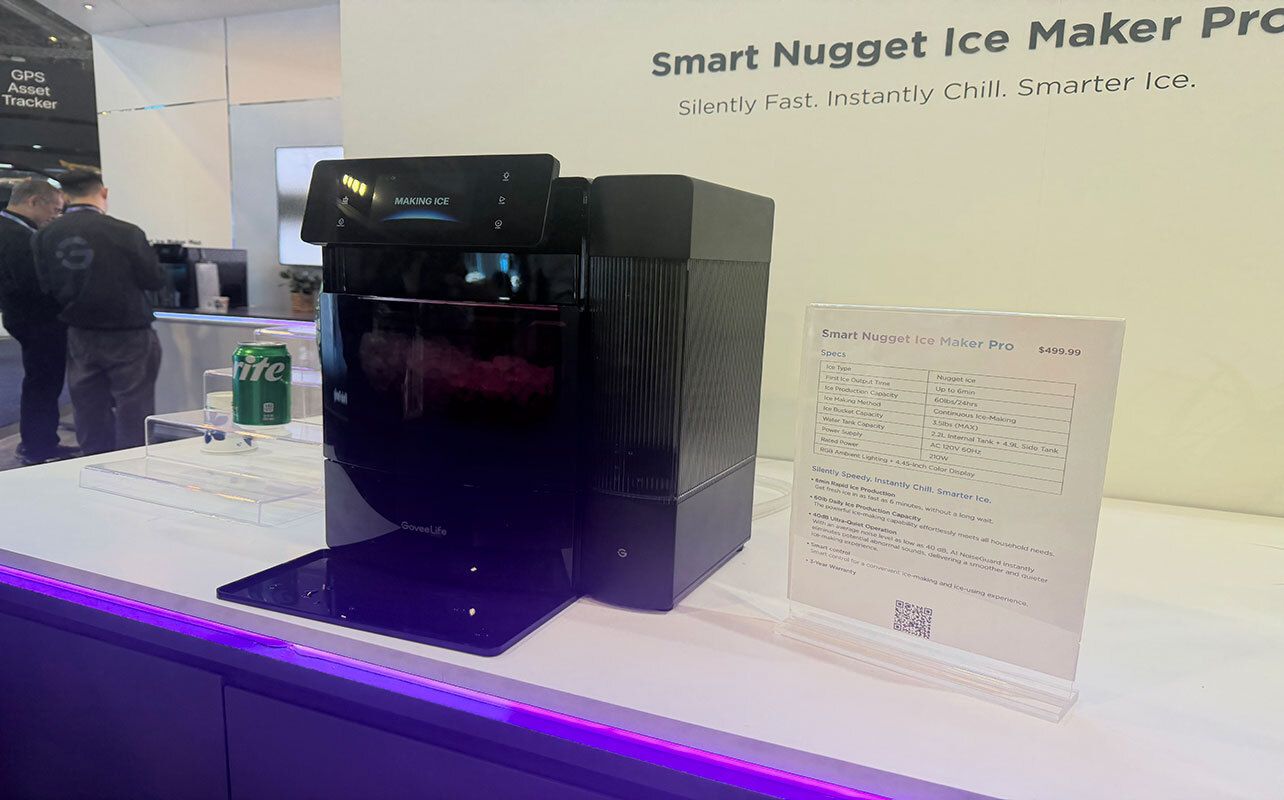
This $499.99 countertop ice maker uses AI not to make better ice, but to make less noise. Its AI NoiseGuard system predicts when the machine is about to get loud and defrosts early to stay quiet. It can make ice in six minutes and produce up to 60 pounds per day.
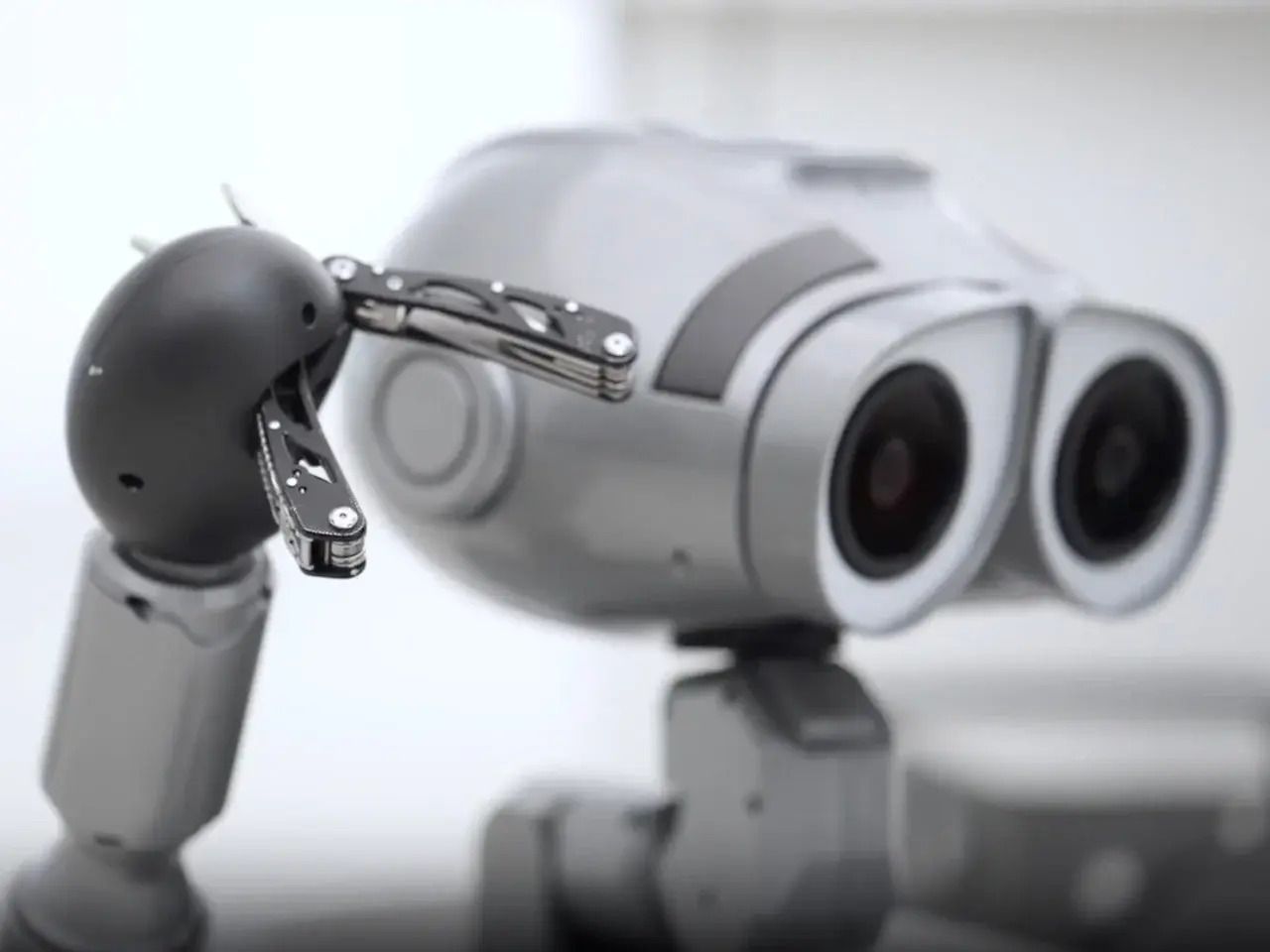
The W1 looks like something straight out of WALL-E. It’s a $4,999 robot designed to patrol your home with 360-degree AI-powered security, connect to smart home systems, and send alerts for smoke or intrusions. It can also go outdoors, carry camping gear, follow you around, take photos, and even provide portable power for devices.
If CES 2026 made one thing clear, it’s that AI is showing up everywhere , even in places you would never expect.
AI Findings/Resources
📝 How to build an AI-powered Flutter App with Google Antigravity: A hands-on tutorial
⚖️ The simplest way to start "vibe coding" with no experience
AI Tools to check out
🤝 Amie: Turn meeting notes into automated workflows. Handle meetings, summaries and todos with your AI personal assistant.
🔒 Okara: Private AI chat with open-source models.
🖼️ Sketch to: AI image to sketch converter.
📽 Unscreen pro: AI video background remover in 1 click.
👀 Floyo: It brings ComfyUI to your browser: find & launch open-source workflows in seconds, zero setup, free building, and creative freedom without limits.
Video of the week
Nvidia's Jensen Huang on an AI Bubble, Trump, and the Arms Race with China
Jensen Huang is arguably the most influential figure in the global economy right now. As the head of the world’s most valuable company, he controls the supply of GPUs, the computer chips that power nearly every major AI system on the planet. In this Time Magazine interview, he shares his insights on some of the industry’s most pressing issues, including AI’s impact on jobs, the potential AI bubble, and even topics like China and working with Trump.
⚠️ The Core Shift: A New Industrial Revolution
While critics warn of a financial bubble, Huang argues they are missing the bigger picture. We aren't just building chatbots; we are undergoing a fundamental transformation from "general-purpose computing" to "accelerated computing."
The "Bubble" Defense: Huang admits there is market irrationality but argues the investment is "modest" compared to the opportunity.
The Stakes: He views this as the largest industrial revolution in history. The US must win every layer of the "AI stack", from energy and chips to cloud and applications, or risk falling behind.
The "Trump Strategy"
Huang reveals a close working relationship with President Trump and shares details about his personal experience working with the president.
Energy is Key: Huang praises Trump’s pro-energy stance, noting that without massive energy growth, the US AI industry would stall.
Saudi Arabia: He successfully lobbied Trump to reverse Biden-era blocks on selling chips to Saudi Arabia, arguing that the Middle East will build AI regardless, so it’s better they build it on an American tech stack than a foreign one.
The China Problem: "Don't Push Them to the Wall"
Contrary to the "decoupling" narrative, Huang argues that the US and China are deeply dependent on each other.
Against Isolation: He warns that cutting China off completely is "flawed" and dangerous. "Never push an adversary to the wall."
The Real Risk: China already has a formidable tech industry. If the US refuses to sell them chips, they will simply build their own faster. Huang argues it is safer for the US if China relies on American technology rather than becoming independent.
Taiwan: While acknowledging the geopolitical risk, he emphasizes "resilience" (building factories in Arizona) over abandoning Taiwan, whose ecosystem he says will take decades to replicate.
The Economic Upheaval
Huang is an optimist on the economy, predicting that AI won't just shift money around, it will multiply it.
$500 Trillion GDP: He challenges the idea that the world economy is capped at $100 trillion. By empowering the global population with AI, he believes we can quintuple global GDP.
The Job Reality: He is blunt about the workforce: "Some jobs will disappear. Obviously."
The New Rule: "You’re not going to lose your job to AI. You’re going to lose your job to someone who uses AI."
Jensen Huang believes the "AI Bubble" is actually the foundation of a new world order. By betting on American energy and engaging (rather than isolating) global rivals, he plans to make the "American Tech Stack" the operating system of the entire world.
That’s a wrap!
We'd love to hear your thoughts on today's email!Your feedback helps us improve our content |
Not subscribed yet? Sign up here and send it to a colleague or friend!
See you in our next edition!
Gina 👩🏻💻