- Horizon AI
- Posts
- Prepping for the SATs? Ask Gemini for a Free Practice Test ✍
Prepping for the SATs? Ask Gemini for a Free Practice Test ✍
Apple to Revamp Siri Into an AI Chatbot 🤯

Gina Acosta
January 23, 2026
In partnership with


Welcome to another edition of Horizon AI,
SAT prep courses and private tutoring have become a big business, with practice tests and books costing hundreds of dollars and one on one tutoring often running into the thousands. This week, Google quietly rolled out free, full length SAT practice tests powered by Gemini, making exam preparation more accessible for students worldwide. In today’s issue, we take a look at this new capability and how it works.
Let’s jump into it!
Read Time: 4.5 min
Here's what's new today in the Horizon AI
Apple Plans to Turn Siri Into an AI Chatbot
Most People Can’t Tell AI Videos From Real Ones, Runway Study Finds
AI Tutorial: Gemini Launches Full-Length SAT Practice Tests — Here’s How to Try Them
AI Tools to check out
AI Findings/Resources
The Latest in AI and Tech 💡
AI News
APPLE
Apple Plans to Turn Siri Into an AI Chatbot

Apple is preparing a major overhaul of Siri that could transform the voice assistant into a full AI chatbot, signaling a strategic shift as competition in consumer AI heats up.
Details:
According to Bloomberg’s Mark Gurman, Apple is working on a chatbot-style Siri internally codenamed “Campos.”
The revamped Siri would support both voice and text input, making it function more like ChatGPT than a traditional voice assistant.
The new Siri is expected to be integrated into iOS 27 and could take center stage at Apple’s WWDC in June.
The move marks a change from Apple SVP Craig Federighi’s earlier stance, when he said the company didn’t want Siri to act like a chatbot, but rather to be “integrated so it’s there within reach whenever you need it.”
Apple has struggled to keep pace in the AI race, delaying a more personalized Siri and exploring partnerships with multiple AI labs before ultimately selecting Google’s Gemini as its AI partner. This reported shift suggests Apple is now willing to embrace a more visible, conversational AI experience to stay competitive in the next phase of consumer AI.
TOGETHER WITH WISPR FLOW
Investor-ready updates, by voice

High-stakes communications need precision. Wispr Flow turns speech into polished, publishable writing you can paste into investor updates, earnings notes, board recaps, and executive summaries. Speak constraints, numbers, and context and Flow will remove filler, fix punctuation, format lists, and preserve tone so your messages are clear and confident. Use saved templates for recurring financial formats and create consistent reports with less editing. Works across Mac, Windows, and iPhone. Try Wispr Flow for finance.
RUNWAY
Most People Can’t Tell AI Videos From Real Ones, Runway Study Finds
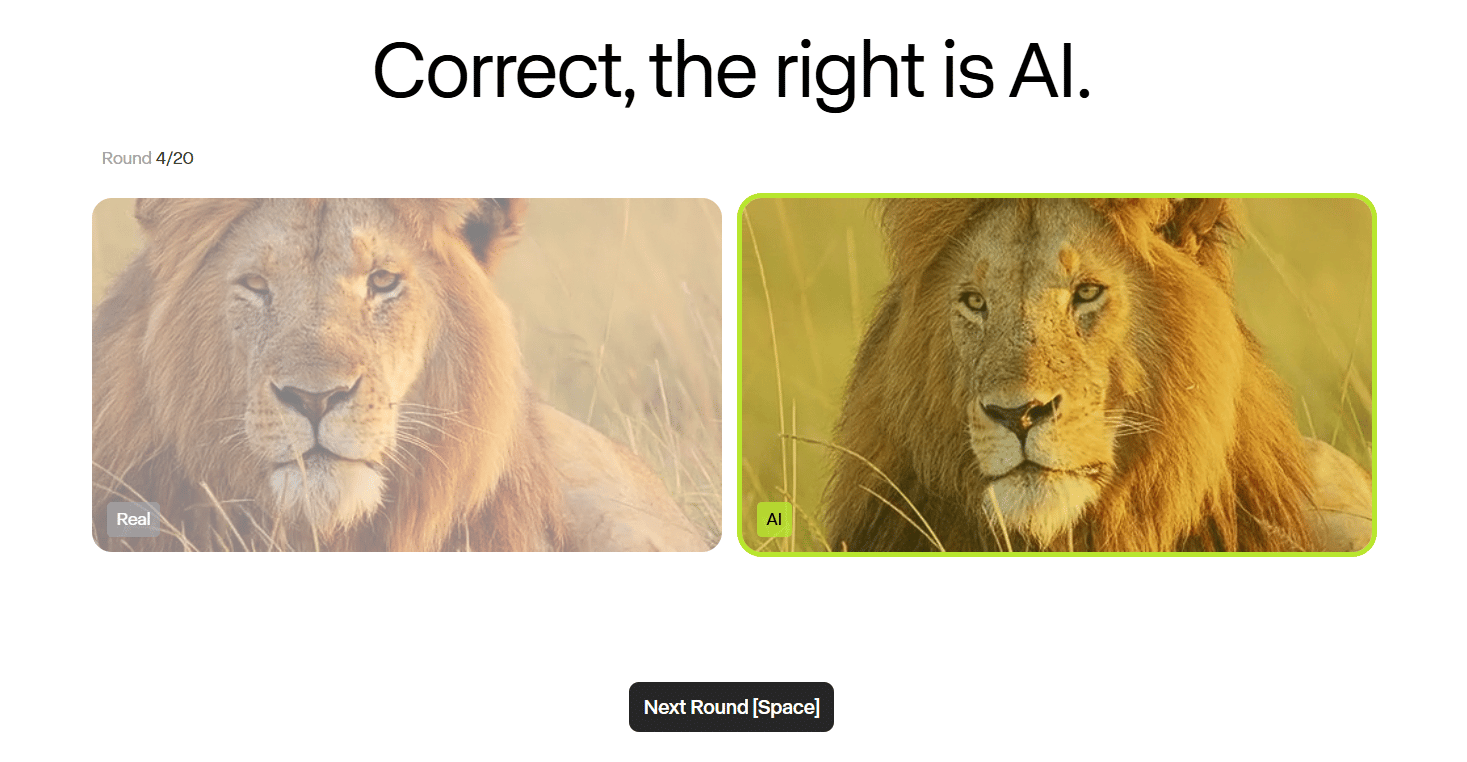
A new study from AI video company Runway suggests the line between real and AI-generated video has become so thin that most people can no longer reliably tell the difference.
Details:
In a test involving more than 1,000 participants, viewers correctly identified whether a video was real or AI-generated just 57.1% of the time, only slightly better than random guessing.
Even Runway’s own co-founder and CTO, Anastasis Germanidis, admitted he failed the test “quite a bit,” underscoring how difficult the distinction has become.
Participants were shown real and AI clips at the same resolution and length, with just 10 seconds to decide, mirroring how people consume videos while scrolling on social media.
Accuracy was slightly higher (around 58–65%) when videos featured human faces, hands, or actions, where subtle “uncanny” cues are more noticeable.
The test coincided with the broader rollout of Runway Gen-4.5, which the company says delivers highly realistic, cinematic visuals with greater creative control, though they recognize it can still struggle with disappearing objects, causal reasoning, and “success bias.”
The findings highlight growing risks around misinformation as AI video quality improves. Runway says it is working on watermarking solutions, with AI-generated videos already embedding metadata by default. You can take the test yourself here.
AI Tutorial
Gemini Launches Full-Length SAT Practice Tests — Here’s How to Try Them
This week, the company announced that students can access “full-length, on-demand practice exams” directly in the chatbot for free.
The SAT practice tests are developed in partnership with The Princeton Review and follow the exact format of the digital SAT, including two Reading and Writing modules and two Math modules.
To start a test, you simply tell the app: “I want to take a practice SAT test.”

Gemini will provide you with a free practice exam. Then, it will analyze your results, highlighting your strengths and identifying areas that need further review. You can also ask Gemini for detailed explanations of any incorrect answers.
The SAT is the most widely used test in U.S. college admissions, but it’s not the only one. Google says it plans to support other tests in the future.
AI Tools to check out
🧠 Dessix: A visual workspace to build AI context as you think.
📄 Documentation.AI: Build and update product documentation effortlessly with AI.
🌐 Opttab: Track visibility and rank higher in AI search.
⭐ Nextify: A one-stop platform to create high-performing ad creatives powered by AI
📽 Elser: Turn scripts into complete anime and long videos.
TOGETHER WITH GLADLY
Can you scale without chaos?

It's peak season, so volume's about to spike. Most teams either hire temps (expensive) or burn out their people (worse). See what smarter teams do: let AI handle predictable volume so your humans stay great.
AI Findings/Resources
🎓 AI & Education: Generative AI & the future of critical thinking
🤔 Why LinkedIn says prompting was a non-starter — and small models was the breakthrough
The latest in AI and Tech
Google DeepMind has brought on CEO Alan Cowen and several top engineers from AI voice startup Hume AI under a new licensing agreement. They will work to improve Gemini’s voice features.
The deal gives Google non-exclusive rights to certain Hume technologies, while the startup continues operating independently.
According to the WSJ, during a key meeting, Zoph and two co-founders expressed dissatisfaction with the company’s direction and proposed giving Zoph full technical authority, which CEO Mira Murati denied.
Shortly afterward, Murati cited performance, trust, and conduct issues in internal communications, while Zoph denied any wrongdoing, saying his termination was due to his plans to leave.
The fallout was swift: Zoph, along with co-founders Luke Metz and Sam Schoenholz, quickly rejoined OpenAI, leaving Thinking Machines with only three of its original six founders.
Adobe is developing “private, IP-safe” generative AI models tailored for the entertainment industry, aiming to make its Firefly tools a core part of studio production workflows.
The new Firefly Foundry models are being built with studios, directors, and talent agencies and are trained only on content that clients own or have rights to, addressing long-standing copyright concerns around generative AI.
The company is ramping up a global initiative to encourage governments to build data centers and deploy AI across areas like education, healthcare, and disaster preparedness, aiming to narrow the gap between AI-rich and AI-poor countries.
The program has signed up 11 nations so far, with deals ranging from Estonia rolling out ChatGPT Edu in secondary schools to data center partnerships in Norway and the UAE.
Spotify is rolling out its AI-powered Prompted Playlists feature to Premium users in the U.S. and Canada, letting listeners create playlists by describing what they want to hear in natural, conversational language.
Spotify says the feature is still in beta, available only in English for now, and will launch more broadly after learning from these initial markets.
That’s a wrap!
We'd love to hear your thoughts on today's email!Your feedback helps us improve our content |
Not subscribed yet? Sign up here and send it to a colleague or friend!
See you in our next edition!
Gina 👩🏻💻